
Article: Yakiniku Yama Oku × ISSO TEA|Exploring Wagyu and the Art of Kappo-Style Yakiniku in Hong Kong
Yakiniku Yama Oku × ISSO TEA|Exploring Wagyu and the Art of Kappo-Style Yakiniku in Hong Kong
Yakiniku Yama Oku is a restaurant in Hong Kong that proudly serves ISSO TEA.
Opened in June 2026, the restaurant offers a distinctive style of kappo-inspired yakiniku, carefully selecting and cutting each piece of meat according to its characteristics and using techniques such as aging and precise cooking to create a diverse range of dishes.
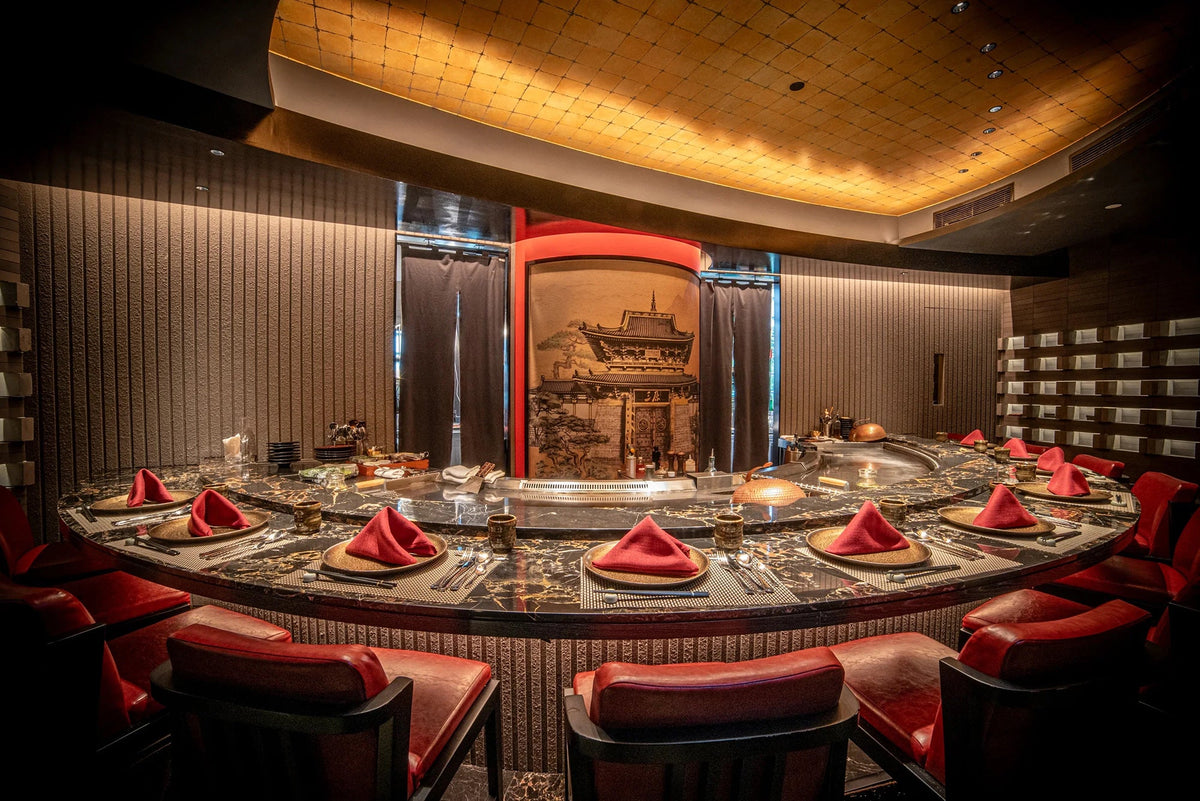
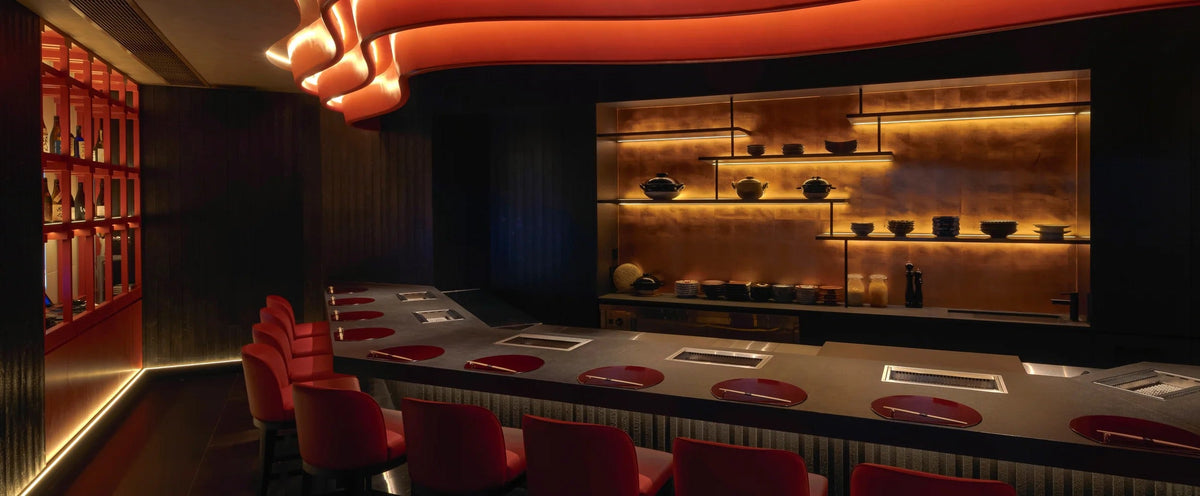
The restaurant's name draws inspiration from a story about discreet meat-eating traditions in Japan before the Meiji Restoration. At a time when eating meat was widely regarded as taboo, people are said to have gathered in huts deep in the mountains, sitting around an irori hearth to enjoy meat together. Reflecting this story, the restaurant's interior evokes a secluded mountain hideaway, with a cave-like atmosphere.

The cuisine is led by Chef Takazono Koji and Chef Kuga Koichi.
Chef Takazono, originally from Fukuoka, has around 20 years of experience in yakiniku. He has honed his skills in assessing the marbling and structure of Wagyu beef and cutting each cut according to its distinctive characteristics. Through precise cooking techniques, he brings out the flavor and umami of carefully selected meat.
Chef Kuga, meanwhile, grew up in Sasebo, Nagasaki, surrounded by the culture of Japanese cuisine. He has led banquet operations at five-star hotels in Yamaguchi and Nagasaki, and brings traditional Japanese culinary techniques to the restaurant's kappo-style dishes.
Combining expertise in yakiniku with the techniques of Japanese cuisine, the two chefs bring out the many dimensions of each ingredient.
How Aging and Cooking Techniques Reveal Different Expressions of Wagyu
At Yama Oku, the focus extends beyond the breed and cut of meat to include the aging period and cooking method, each chosen to bring out different qualities.
For example, 14-day dry-aged Wagyu loin is served as shabu-shabu with seasonal Japanese vegetables. It is accompanied by a broth simmered for 72 hours with beef bones and oxtail. This dish offers a different way to appreciate the umami of aged Wagyu, distinct from the flavors created by grilling.

Seven-day-aged Chateaubriand and sirloin are also prepared using straw-grilling techniques. The fragrant aroma of burning straw adds another dimension to the flavor of the aged beef.
From shabu-shabu, which allows the umami of the meat to mingle with the broth, to straw-grilling, which brings out its aroma, each technique reveals a different side of Wagyu.

The seasonings are also thoughtfully chosen to complement the character of each cut.
Aged beef tongue is paired with lemon koji, combining the savory depth of fermentation with refreshing citrus notes. Selected lean cuts are served with salted kelp, adding umami and a touch of saltiness.
Another dish features barrel-aged soy sauce from a producer with a history spanning more than 100 years, enhancing the flavor of the meat without overshadowing its natural qualities.
Wagyu and Egg Yolk, Beef and Seafood: Flavors Expanded Through Thoughtful Pairings
One of the restaurant's signature dishes is “Yama Oku Yaki,” a roll combining Wagyu with egg yolk. The rich flavor of the meat meets the smooth, mellow taste of egg yolk in a distinctive combination.
The menu also features “Yume no Daichi,” a premium pork brand from Hokkaido. Grilled to bring out its aroma and paired with the restaurant's house-made sauce, the pork offers a rich flavor and satisfying depth.

The hand roll combining Wagyu and tuna is another dish that highlights the character of each ingredient.
Oita Wagyu and tuna are wrapped in toasted nori with sushi rice offering a balanced touch of acidity, then finished with Japanese sea urchin or caviar.

Clay Pot Rice and Stone-Grilled Garlic Rice: A Memorable Finish to the Meal
The restaurant's attention to detail continues through to the final dishes of the meal.
Koshihikari rice from Yaehara, Nagano, is cooked in a traditional Iga-yaki clay pot by Nagatani-en and served with Wagyu, sea urchin, and salmon roe. The natural sweetness of the rice combines with the savory flavor of the meat, the richness of the sea urchin, and the texture of the salmon roe.

The “Stone-Grilled Garlic Rice with Wagyu Beef Tartare” offers a different kind of finish. Fragrant garlic rice is combined with hand-cut Oita Wagyu tartare and butter, then lightly seared against a heated stone bowl.
While the clay pot rice celebrates the natural sweetness of rice and the combination of premium ingredients, the stone-grilled garlic rice stands out for its aroma and the flavors developed through heat. Each dish offers a distinct way to enjoy rice as the meal draws to a close.
Experiencing Kappo-Style Yakiniku at the Counter
Yama Oku serves carefully selected premium Wagyu, including Omi beef from Shiga and Wagyu from Oita, alongside chicken and seasonal game. Beyond yakiniku, the menu includes appetizers, chawanmushi, simmered dishes, shabu-shabu, and clay pot rice, offering a variety of ways to appreciate the flavors of meat.
The restaurant centers around a 12-seat counter, where guests can watch the chefs handle and grill the meat up close. From the changing color of the meat as it cooks to the aromas rising from the grill, the counter offers a direct view of the care and skill that go into each dish, from ingredient selection to the final presentation.
Enjoying ISSO TEA at Yakiniku Yama Oku
At Yakiniku Yama Oku, guests can enjoy a selection of ISSO TEA alongside their meal.
Set in a space reminiscent of a secluded hideaway deep in the Japanese mountains, Yama Oku serves carefully selected Wagyu prepared with techniques such as aging, straw-grilling, and precise temperature control. Each dish reflects the chefs' dedication to bringing out the natural qualities of the ingredients.
ISSO TEA shares a similar philosophy, placing great importance on the origin, cultivar, and quality of its tea leaves, while preserving the distinctive aroma, umami, and flavor of each tea.
Whether in cuisine or Japanese tea, taking the time to understand each ingredient and bring out its best qualities creates a richer experience. Appreciating the individual character of both the dishes and the tea adds another dimension to the dining experience.
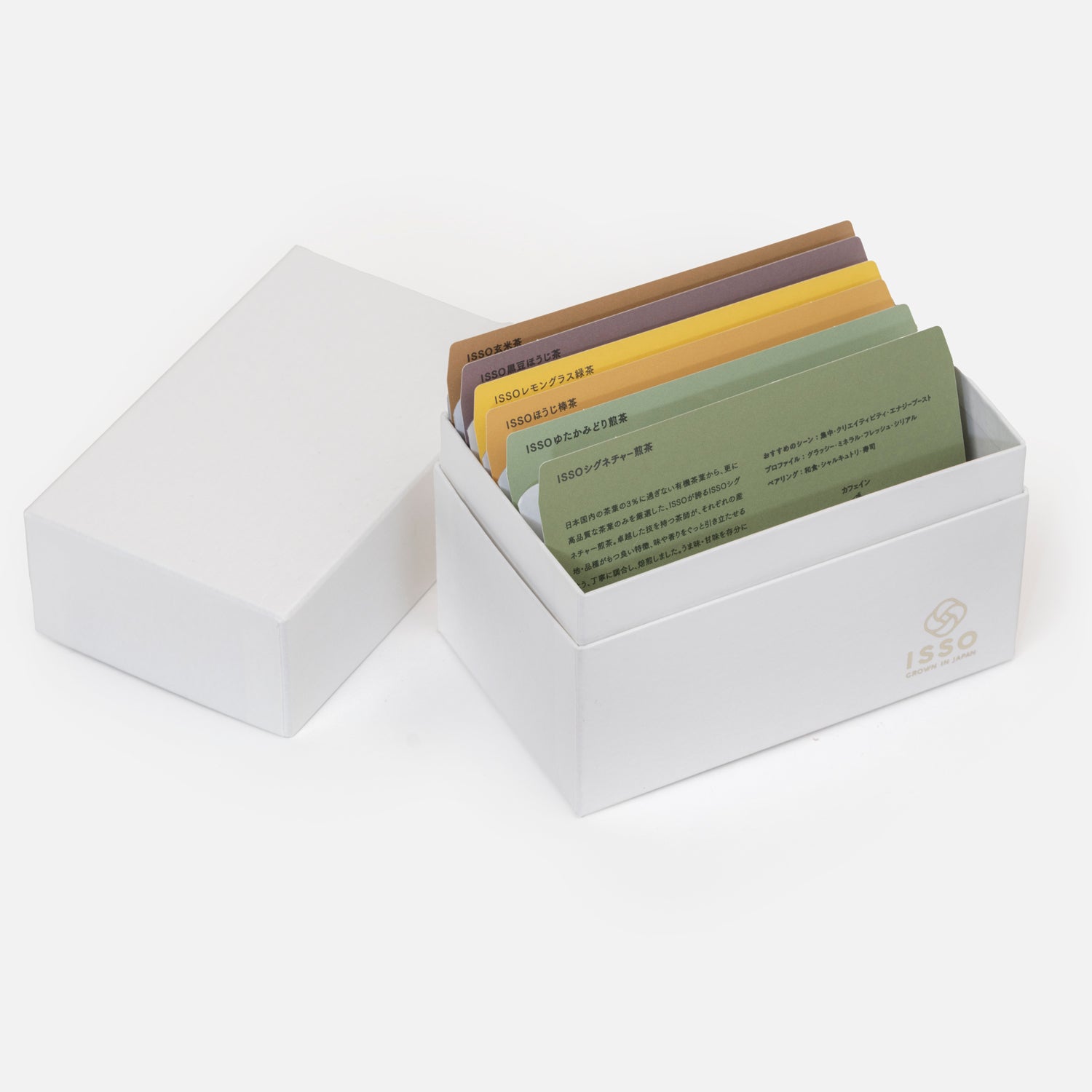
ISSO TEA is available to enjoy in the restaurant, and products are also available for purchase.
When visiting Hong Kong, discover the distinctive cuisine and atmosphere of Yakiniku Yama Oku, and enjoy ISSO TEA's organic Japanese tea alongside your meal.

Yakiniku Yama Oku|山奧燒肉
Address: 3/F, Cubus, 1 Hoi Ping Road, Causeway Bay, Hong Kong
Tel: +852 4497 5412
ISSO TEA Availability: Served in the restaurant / Products available for purchase